|
Getting your Trinity Audio player ready... |
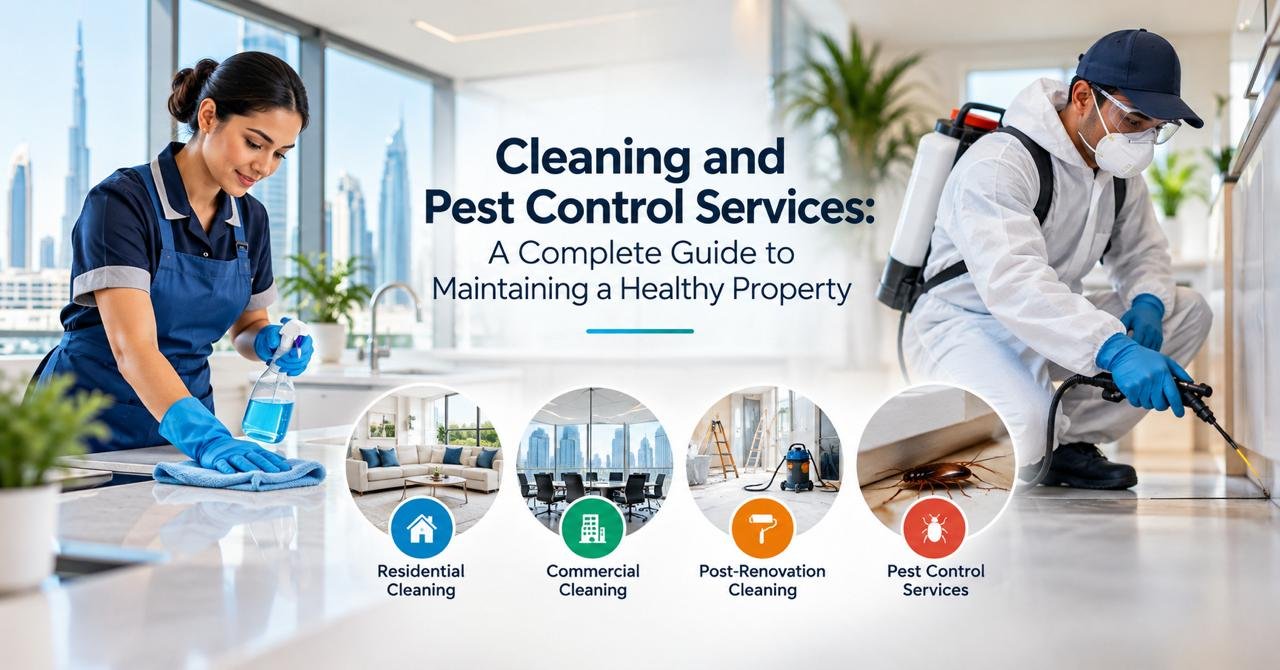
Maintaining a clean and pest-free property is essential for comfortable living and a productive working environment. Dust, dirt, grease, and unwanted pests can affect the condition of a building and make everyday spaces less pleasant. Regular cleaning helps maintain hygiene, while effective pest control addresses unwanted insects and other pests that may enter homes or commercial properties.
For homeowners, tenants, landlords, and business owners, cleaning and pest control services provide practical solutions for maintaining properties throughout the year. By combining proper cleaning practices with appropriate pest management, property owners can create cleaner, more comfortable, and better-maintained environments.
Why Are Cleaning and Pest Control Services Important?
Cleaning and pest management address different but related property maintenance needs. Cleaning removes visible dirt, dust, food residue, and other materials that can attract certain pests. Pest control focuses on identifying pest activity, understanding the source of the problem, and applying suitable methods to manage or prevent infestations.
In residential properties, these services help maintain kitchens, bathrooms, bedrooms, and outdoor areas. In commercial settings, they can support workplace hygiene, protect stored products, and maintain a positive impression for employees and visitors.
Key benefits include:
- Improved cleanliness: Remove dirt, dust, grease, and accumulated debris.
- Better pest management: Identify and address pest activity before it becomes more difficult to control.
- Property protection: Help reduce damage caused by certain pests, including termites and rodents.
- Greater comfort: Maintain living and working spaces that are more pleasant to use.
- Preventive maintenance: Reduce conditions that attract pests, such as accessible food and standing water.
- Professional support: Access appropriate cleaning methods and pest management solutions for different property types.
The effectiveness of these services depends on the property, the type of pest, the cleaning requirements, and the methods used.
Types of Cleaning Services for Homes and Businesses
Professional cleaning requirements vary depending on the size, use, and condition of a property. Understanding the available options helps customers choose an appropriate service.
1. Residential Cleaning Services
Residential cleaning helps keep apartments, villas, and houses tidy and comfortable. Common tasks include dusting, vacuuming, mopping, bathroom cleaning, and wiping kitchen surfaces.
Regular cleaning also helps remove food crumbs and waste that may attract ants, cockroaches, and other pests. However, cleaning alone may not eliminate an existing infestation, so suspected pest problems should be assessed separately.
2. Deep Cleaning Services
Deep cleaning focuses on areas that receive less attention during routine housekeeping. These may include grout lines, kitchen grease, bathroom buildup, difficult corners, and areas behind movable furniture.
This service is useful before moving into a property, after extended periods without detailed cleaning, or when a space needs additional attention. A cleaner environment can support pest prevention when combined with proper waste management and moisture control.
3. Commercial Cleaning Services
Offices, restaurants, retail stores, and warehouses often require structured cleaning schedules. Commercial cleaning may cover floors, workstations, washrooms, common areas, and waste disposal.
Businesses should establish cleaning procedures that suit their operations. Food businesses and storage facilities may also need specialised pest management measures based on their activities and applicable hygiene requirements.
Understanding Professional Pest Control Services
Professional pest control service involves identifying, managing, and preventing unwanted pests using appropriate methods. The correct approach depends on the pest species, the severity of the problem, and the property’s surroundings.
Common Types of Pest Control
Cockroach Control: Cockroaches may hide in kitchens, drains, cupboards, and other sheltered areas. Managing them often involves removing food sources, reducing moisture, sealing entry points, and using suitable treatment methods.
Ant Control: Ants can enter buildings in search of food and water. Keeping surfaces clean, storing food securely, and identifying entry routes can help reduce activity. Treatment may be necessary when colonies persist.
Rodent Control: Rats and mice can contaminate food and damage materials. Prevention includes securing waste, sealing suitable entry points, storing food in closed containers, and using appropriate control measures.
Termite Control: Termites can damage wooden structures and other cellulose-based materials. Signs of possible activity should be assessed by a qualified pest management professional because the appropriate treatment depends on the termite species and extent of damage.
Mosquito Control: Mosquito prevention includes removing standing water where possible, maintaining drains, and addressing breeding areas. Additional measures may be required depending on the surrounding environment.
Read Also: Professional Cleaning Services: A Complete Guide for Homes & Businesses
How Cleaning and Pest Control Work Together
Cleaning and pest management are most effective when treated as complementary parts of property maintenance. A clean property may still experience pests because insects and rodents can enter through gaps, drains, deliveries, or nearby outdoor areas.
A combined approach can include:
- Removing food scraps and cleaning food preparation areas regularly.
- Storing dry foods in sealed containers.
- Emptying bins and cleaning waste storage areas.
- Repairing leaking pipes and addressing excess moisture.
- Sealing suitable cracks and gaps around doors, windows, and service openings.
- Removing standing water where mosquitoes may breed.
- Arranging professional inspections when pest activity continues.
- Following treatment instructions and maintaining preventive cleaning routines.
This approach focuses on both immediate concerns and the conditions that may allow pests to return.
How to Choose a Reliable Cleaning and Pest Control Company
Choosing a service provider requires attention to experience, service quality, safety, and pricing. A company should understand the property’s requirements and explain the proposed work clearly.
Consider the following factors before booking:
- Service expertise: Confirm that the provider handles your specific cleaning and pest control needs.
- Relevant approvals: Check applicable local licences, permits, and regulatory requirements for pest management.
- Transparent quotations: Ask what the price includes and whether follow-up visits cost extra.
- Treatment safety: Request clear instructions about occupants, children, pets, ventilation, and re-entry after treatment.
- Customer feedback: Review recent customer experiences and service responsiveness.
- Prevention advice: Choose a provider that explains practical steps to reduce future pest activity.
- Service guarantees: Understand any limitations, follow-up conditions, and the terms of the agreement.
For properties in the UAE, homeowners and businesses can explore cleaning and pest control services in Dubai to review available options and determine which services match their requirements.
Before confirming an appointment, explain the pest problem, property type, affected areas, and any previous treatments. This information helps the provider recommend a suitable course of action.
Conclusion
Maintaining a clean and pest-free property requires more than occasional housekeeping. Regular cleaning, appropriate waste
Frequently Asked Questions
1. What Do Cleaning and Pest Control Services Include?
Cleaning services may include dusting, floor cleaning, bathroom cleaning, kitchen cleaning, and waste removal. Pest control services may involve inspection, identification, treatment, and prevention advice. The exact scope depends on the selected package.
2. How Often Should Pest Control Be Scheduled?
The frequency depends on the property, pest species, local conditions, and previous activity. Some properties benefit from periodic preventive inspections, while active infestations may require targeted treatment and follow-up visits.
3. Can Regular Cleaning Prevent Pest Infestations?
Regular cleaning can reduce food residue, waste, and other conditions that attract certain pests. However, it cannot guarantee prevention because pests may enter from outside or through structural openings.
4. Is Professional Pest Control Safe for Children and Pets?
Safety depends on the treatment method, product, application, and exposure. Inform the provider about children, pets, and sensitive occupants. Follow all product-specific instructions concerning evacuation, ventilation, and re-entry.
5. Should Cleaning Be Completed Before or After Pest Control?
The correct sequence depends on the treatment. Some cleaning should be completed beforehand, while cleaning treated surfaces too soon may reduce the effectiveness of certain products. Follow the pest management professional’s instructions.
6. How Can Businesses Reduce Pest Problems?
Businesses can maintain regular cleaning schedules, secure food and waste, repair leaks, seal suitable entry points, inspect deliveries where appropriate, and arrange professional pest assessments when needed.