|
Getting your Trinity Audio player ready...
|
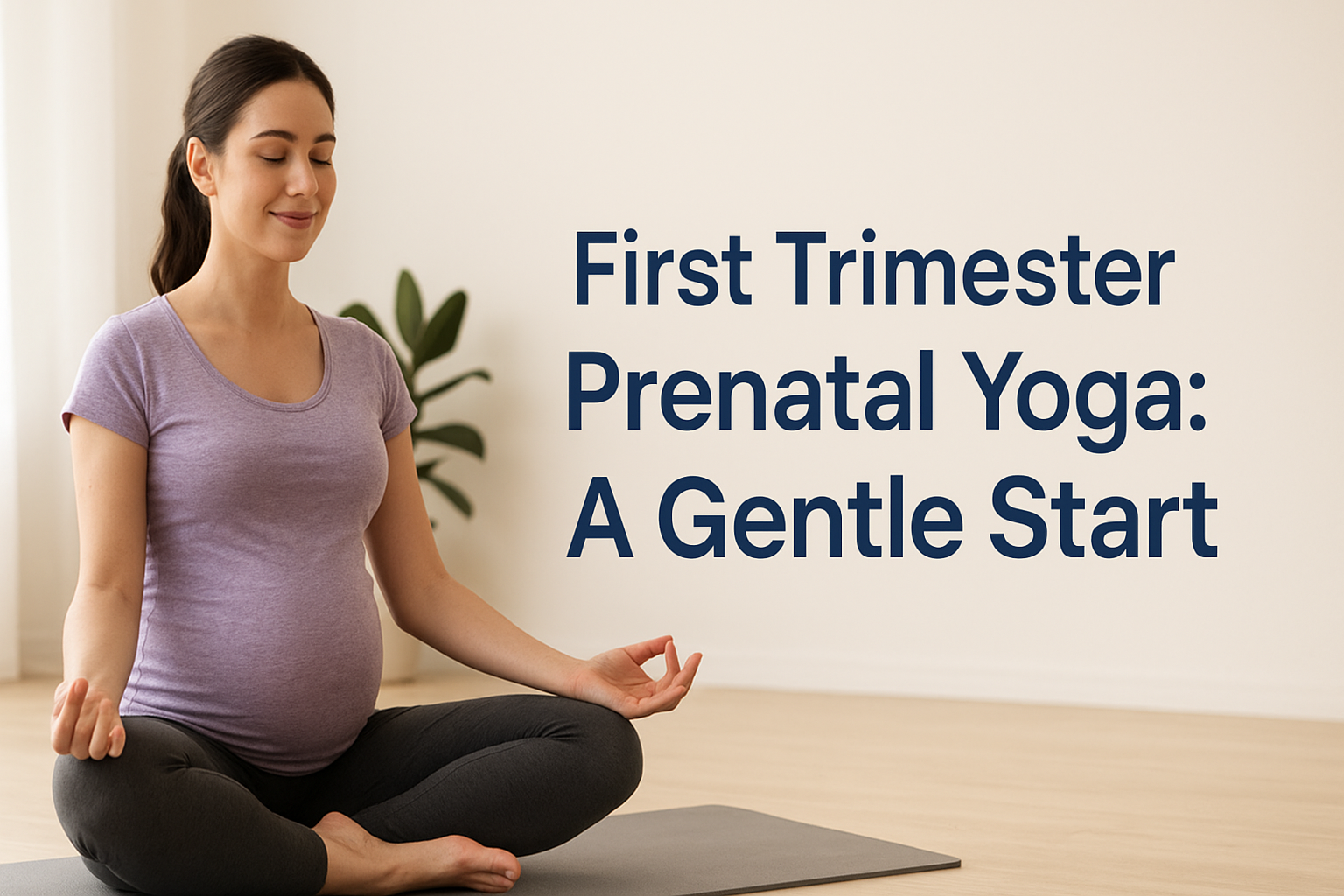
Prenatal yoga provides several documented benefits for pregnant women, especially during the first trimester when the body undergoes substantial physiological and hormonal changes.
Regular practice can improve flexibility and muscular strength, which supports the body’s adaptation to pregnancy-related physical changes.
Research indicates that yoga may help reduce common first-trimester symptoms including nausea, fatigue, and mood fluctuations.
Prenatal yoga incorporates controlled breathing techniques and gentle movements that can enhance body awareness during pregnancy. Studies suggest that mindfulness practices may contribute to reduced anxiety levels and improved emotional regulation in expectant mothers. The focus on breath control and body awareness taught in prenatal yoga classes may help women develop coping strategies for managing pregnancy-related stress and physical discomfort.
These techniques can also serve as preparation for labor and delivery by teaching relaxation and breathing methods that may be beneficial during childbirth.
Key Takeaways
- Prenatal yoga in the first trimester offers physical and emotional benefits, including symptom relief and stress reduction.
- Safety is crucial; modifications and avoiding certain poses help protect both mother and baby.
- Gentle, tailored yoga poses support early pregnancy comfort and promote well-being.
- Breathing and relaxation techniques aid in managing nausea, fatigue, and anxiety during early pregnancy.
- Choosing the right prenatal yoga class involves finding experienced instructors who specialize in first trimester practices.
Safety and Precautions for Practicing Prenatal Yoga in the First Trimester
While prenatal yoga is generally safe and beneficial, it is essential to take certain precautions during the first trimester. Consulting with a healthcare provider before starting any new exercise regimen is crucial, especially for those with pre-existing conditions or complications. It’s important to listen to one’s body and modify poses as needed, ensuring that comfort and safety remain a priority throughout the practice.
Additionally, choosing a qualified instructor who specializes in prenatal yoga can make a significant difference. These instructors are trained to guide expectant mothers through safe practices tailored to their unique needs. They can provide modifications for poses that may be too challenging or uncomfortable, ensuring that each woman feels supported in her journey.
Keeping an open line of communication with the instructor about any discomfort or concerns can further enhance the safety of the practice.
Gentle Yoga Poses Specifically Designed for the First Trimester

Incorporating gentle yoga poses into a prenatal routine can be incredibly beneficial during the first trimester. Poses such as Cat-Cow, Child’s Pose, and Seated Forward Bend are excellent choices for promoting flexibility and relieving tension in the body. These poses encourage gentle stretching and help alleviate discomfort in the lower back and hips, which can be particularly helpful as the body undergoes changes.
Another beneficial pose is the Supported Bridge Pose, which can help open up the hips while providing support for the lower back. This pose encourages relaxation and can be modified with props such as bolsters or blankets for added comfort. Additionally, incorporating gentle twists, like Seated Spinal Twist, can aid digestion and promote a sense of calm.
It’s essential to approach these poses mindfully, focusing on breath and alignment to ensure a safe and enjoyable practice.
Breathing Techniques and Relaxation Practices for Managing First Trimester Symptoms
Breathing techniques play a vital role in managing the various symptoms that may arise during the first trimester. Deep, diaphragmatic breathing can help alleviate feelings of nausea and anxiety while promoting relaxation. Practicing techniques such as Ujjayi breath or alternate nostril breathing can create a sense of calm and balance, allowing women to navigate their emotions more effectively.
In addition to breathing exercises, incorporating relaxation practices into prenatal yoga can further enhance well-being. Guided visualizations or progressive muscle relaxation techniques can help reduce stress and promote a sense of peace. These practices encourage women to connect with their bodies and their babies on a deeper level, fostering a nurturing environment for both mother and child.
Tips for Finding the Right Prenatal Yoga Class for the First Trimester
| Metric | Details | Notes |
|---|---|---|
| Recommended Frequency | 2-3 times per week | Sessions typically last 20-30 minutes |
| Common Benefits | Reduces nausea, improves sleep, decreases stress | Supports emotional well-being during early pregnancy |
| Contraindications | High-risk pregnancy, bleeding, severe nausea | Consult healthcare provider before starting |
| Recommended Poses | Cat-Cow, Child’s Pose, Modified Warrior II | Focus on gentle stretching and breathing |
| Precautions | Avoid deep twists, intense backbends, and lying flat on back | Modify poses to avoid abdominal pressure |
| Effect on Heart Rate | Moderate increase, within safe limits | Monitor exertion to avoid overexertion |
| Stress Hormone Reduction | Up to 20% decrease in cortisol levels | Based on small clinical studies |
Finding the right prenatal yoga class is essential for maximizing the benefits of practice during the first trimester. Start by researching local studios or community centers that offer specialized prenatal classes.
Look for instructors who have experience working with pregnant women and who emphasize safety and modifications in their teachings.
It’s also helpful to read reviews or seek recommendations from other expectant mothers. Many women find comfort in sharing their experiences and can provide valuable insights into which classes may be best suited for individual needs. Attending a trial class can also be beneficial; this allows women to gauge their comfort level with the instructor and the class environment before committing to a full session.
Incorporating Mindfulness and Meditation into First Trimester Prenatal Yoga

Mindfulness and meditation are powerful tools that can enhance the experience of prenatal yoga during the first trimester. By incorporating mindfulness practices into each session, women can cultivate a deeper awareness of their bodies and emotions. This heightened awareness can lead to greater acceptance of the changes occurring during pregnancy, fostering a sense of peace amidst uncertainty.
Meditation techniques such as loving-kindness meditation or body scan meditation can be particularly beneficial during this time. These practices encourage self-compassion and promote emotional well-being, helping women navigate any challenges they may face. By integrating mindfulness into their yoga practice, expectant mothers can create a holistic approach to their physical and mental health.
How Prenatal Yoga Can Help Prepare for Labor and Delivery in the First Trimester
While it may seem early to think about labor and delivery during the first trimester, prenatal yoga lays a strong foundation for what lies ahead. Engaging in regular practice helps build strength and flexibility, which are essential for labor. Additionally, learning breathing techniques during yoga can prepare women for managing contractions and promoting relaxation during delivery.
Furthermore, prenatal yoga encourages women to connect with their bodies intuitively. This connection fosters trust in their ability to navigate labor and delivery confidently. As women become more attuned to their bodies through yoga, they may find it easier to advocate for their needs during childbirth, leading to a more empowering experience overall.
Personal Stories and Testimonials from Women Who Practiced Prenatal Yoga in the First Trimester
Many women have shared transformative experiences from practicing prenatal yoga during their first trimester. One mother recounted how attending classes helped her manage her anxiety about becoming a parent. The supportive community she found within her yoga class provided her with encouragement and reassurance during a time filled with uncertainty.
Another woman shared how prenatal yoga helped alleviate her morning sickness symptoms. By focusing on her breath and engaging in gentle movements, she found relief from nausea that had previously left her feeling overwhelmed. These personal stories highlight the profound impact that prenatal yoga can have on both physical and emotional well-being during this critical stage of pregnancy.
In conclusion, prenatal yoga offers numerous benefits for expectant mothers during the first trimester. By understanding its advantages, practicing safely, incorporating gentle poses, utilizing breathing techniques, finding suitable classes, embracing mindfulness, preparing for labor, and learning from personal experiences, women can navigate this transformative time with confidence and grace. Engaging in prenatal yoga not only supports physical health but also nurtures emotional well-being, creating a holistic approach to motherhood from the very beginning of the journey.
Prenatal yoga can be a wonderful practice for expectant mothers, especially during the first trimester, as it helps to alleviate stress and promote physical well-being. This resource can help prenatal yoga instructors effectively reach their audience and grow their practice.
FAQs
What is prenatal yoga?
Prenatal yoga is a form of yoga specifically designed for pregnant women. It focuses on gentle stretching, breathing exercises, and relaxation techniques that support the physical and emotional changes during pregnancy.
Is it safe to practice yoga during the first trimester?
Yes, prenatal yoga is generally safe during the first trimester when practiced with appropriate modifications and under the guidance of a qualified instructor. However, it is important to consult with a healthcare provider before starting any exercise routine during pregnancy.
What are the benefits of prenatal yoga in the first trimester?
Prenatal yoga in the first trimester can help reduce stress, alleviate common pregnancy symptoms like nausea and fatigue, improve flexibility and strength, promote better sleep, and prepare the body for the changes ahead.
Are there any poses to avoid during the first trimester?
Certain poses that involve deep twists, intense abdominal work, or lying flat on the back for extended periods should be avoided during the first trimester. It is best to follow a prenatal yoga class or instructor who can provide safe modifications.
How often should I practice prenatal yoga in the first trimester?
Practicing prenatal yoga 2-3 times per week is generally recommended, but frequency can vary based on individual comfort and fitness levels. Listening to your body and not overexerting yourself is important.
Can prenatal yoga help with morning sickness?
Prenatal yoga may help alleviate morning sickness by promoting relaxation and reducing stress. Gentle breathing exercises and restorative poses can be beneficial, but it is important to avoid any movements that worsen symptoms.
Do I need any special equipment for prenatal yoga?
Basic yoga equipment such as a yoga mat, comfortable clothing, and props like blocks or bolsters can enhance comfort and support during prenatal yoga practice. Specialized prenatal yoga classes often provide guidance on useful props.
When should I avoid practicing prenatal yoga?
You should avoid prenatal yoga if you experience any pregnancy complications such as bleeding, severe abdominal pain, dizziness, or if your healthcare provider advises against exercise. Always prioritize safety and seek medical advice if unsure.