|
Getting your Trinity Audio player ready...
|
Pregnancy involves substantial physiological changes as the body adapts to support fetal development. Hormonal changes during pregnancy commonly cause mood fluctuations, fatigue, and nausea, with these symptoms typically most pronounced during the first trimester. Many women experience improved energy levels and reduced symptoms during the second trimester, which medical professionals often consider the most comfortable period of pregnancy.
The pregnant body undergoes several measurable changes throughout gestation. The uterus expands significantly to accommodate the growing fetus, causing the body’s center of gravity to shift forward. This alteration in weight distribution frequently affects balance and posture.
Weight gain during pregnancy follows established medical guidelines, with recommended amounts varying based on pre-pregnancy body mass index. These physical changes can impact both mobility and comfort levels. The shifting center of gravity may increase fall risk and contribute to back pain.
Understanding these physiological adaptations helps pregnant individuals make informed decisions about activity levels, posture modifications, and safety precautions.
Medical research indicates that maintaining awareness of these bodily changes supports both maternal health and fetal development outcomes.
Key Takeaways
- Pregnancy brings physical changes that require adapting yoga practices for comfort and safety.
- Modified yoga poses and pelvic floor exercises support strength and ease during the second trimester.
- Breathing techniques help reduce stress and promote relaxation for expecting mothers.
- Partner yoga enhances bonding with the baby and provides emotional support.
- Attending prenatal yoga classes offers community support while emphasizing safety precautions.
Modified Yoga Poses for the Second Trimester
As your body changes, so too should your approach to physical activity. Modified yoga poses can be incredibly beneficial during the second trimester, allowing you to maintain flexibility and strength while accommodating your growing belly. Poses such as Cat-Cow and Child’s Pose can be easily adapted to provide comfort and support.
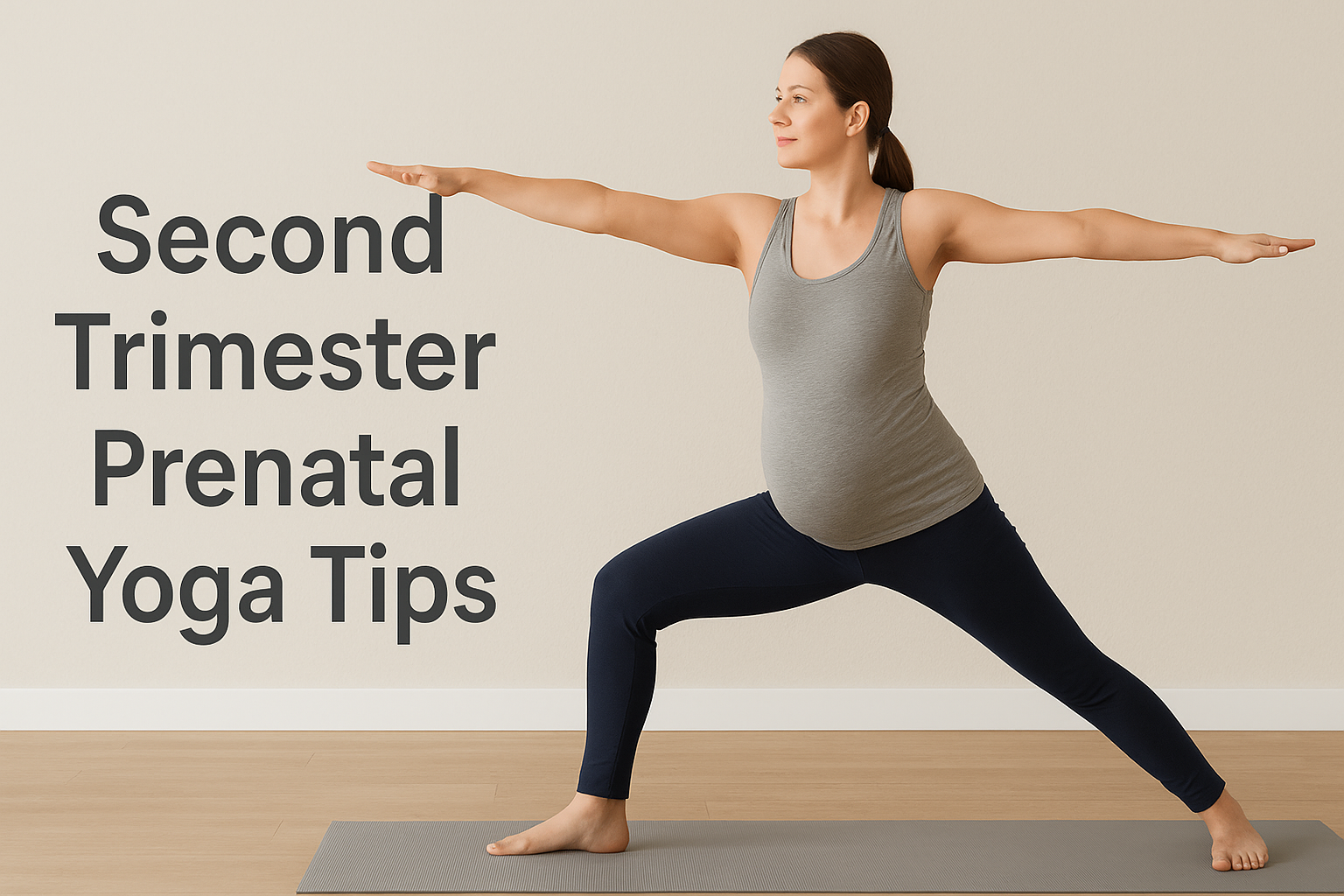
These gentle stretches help alleviate tension in the back and hips, which are common areas of discomfort as pregnancy progresses. Incorporating poses like Warrior II and Triangle can also enhance stability and strength. These positions not only promote physical endurance but also encourage mental focus and relaxation.
It’s important to listen to your body and make adjustments as needed; using props like blocks or bolsters can provide additional support. Practicing these modified poses regularly can help you stay connected to your body while preparing for the physical demands of labor and motherhood.
Breathing Techniques for Relaxation and Stress Relief

Breathing techniques play a vital role in managing stress and promoting relaxation during pregnancy. Deep, mindful breathing can help calm the mind and reduce anxiety, making it an essential practice for expectant mothers. Techniques such as diaphragmatic breathing encourage deeper inhalation and exhalation, which can enhance oxygen flow to both you and your baby.

This practice not only fosters relaxation but also prepares you for the breathing techniques that will be beneficial during labor. Incorporating breath awareness into your daily routine can create a sense of tranquility amidst the changes of pregnancy. Simple exercises, such as inhaling for a count of four and exhaling for a count of six, can help regulate your breath and promote a state of calm.
Practicing these techniques regularly can empower you to manage stress effectively, ensuring that you remain centered and focused throughout your pregnancy journey.
Pelvic Floor Exercises for a Stronger Pregnancy and Labor
Strengthening the pelvic floor is crucial during pregnancy, as it supports the weight of the growing baby and prepares the body for labor. Pelvic floor exercises, commonly known as Kegels, can enhance muscle tone and endurance in this area. By consciously contracting and relaxing these muscles, you can improve bladder control and reduce the risk of complications during childbirth.
Incorporating pelvic floor exercises into your routine can also promote better circulation and alleviate discomfort in the lower back. It’s essential to perform these exercises mindfully, focusing on proper technique rather than quantity. Gradually increasing the intensity and duration of your contractions can lead to significant benefits during labor, making it easier to push when the time comes.
A strong pelvic floor not only supports your pregnancy but also aids in postpartum recovery.
Partner Yoga and Bonding with Your Baby
| Metric | Details | Benefits | Precautions |
|---|---|---|---|
| Recommended Duration | 20-30 minutes per session, 3-4 times per week | Improves flexibility and reduces pregnancy discomfort | Avoid overexertion and listen to body signals |
| Common Poses | Cat-Cow, Warrior II, Side-lying, Butterfly, Modified Downward Dog | Enhances posture, strengthens muscles, relieves back pain | Avoid deep twists and poses that compress the abdomen |
| Breathing Techniques | Ujjayi breath, deep diaphragmatic breathing | Reduces stress and promotes relaxation | Do not hold breath; maintain steady breathing |
| Physical Changes Addressed | Growing belly, loosening ligaments, increased weight | Supports balance and reduces joint strain | Use props for support and avoid balance-challenging poses |
| Contraindications | High blood pressure, preterm labor risk, severe nausea | N/A | Consult healthcare provider before starting yoga |
Engaging in partner yoga can be a beautiful way to strengthen the bond between you and your partner while also connecting with your baby. Practicing yoga together fosters intimacy and communication, allowing both partners to share in the experience of pregnancy. Poses that involve gentle stretching and support can create a sense of unity as you navigate this transformative journey together.
Partner poses such as seated forward bends or supported backbends can enhance trust and connection. These shared moments not only promote physical well-being but also deepen emotional ties as you prepare for parenthood. Additionally, incorporating mindfulness into your practice can help both partners feel more attuned to each other’s needs, creating a supportive environment for the upcoming changes in your lives.
Yoga for Back Pain and Discomfort

Back pain is a common complaint during pregnancy due to the added weight and changes in posture. Fortunately, yoga offers effective solutions for alleviating discomfort in this area. Gentle stretches targeting the lower back can provide relief while promoting flexibility and strength.
Poses like Sphinx or Supported Bridge can help open up tight muscles and improve spinal alignment. Incorporating restorative poses into your routine can also be beneficial for managing back pain. Using props such as bolsters or blankets allows you to fully relax into each pose, providing deep relief for sore muscles.
Regularly practicing these yoga techniques not only addresses immediate discomfort but also equips you with tools to manage pain throughout your pregnancy journey.
Prenatal Yoga Classes and Community Support
Joining prenatal yoga classes can be an enriching experience that offers both physical benefits and emotional support. These classes provide a safe space for expectant mothers to connect with one another while practicing yoga tailored specifically for their needs. Instructors trained in prenatal yoga understand the unique challenges faced during pregnancy and can offer guidance on modifications that ensure safety.
Being part of a community of pregnant women fosters camaraderie and shared experiences. It’s an opportunity to exchange stories, advice, and encouragement as you navigate this life-changing journey together. The support from fellow mothers can be invaluable, creating lasting friendships that extend beyond pregnancy.
Safety Precautions and Tips for Practicing Yoga during Pregnancy
While yoga is generally safe during pregnancy, it’s essential to take certain precautions to ensure a safe practice. Always consult with your healthcare provider before starting any new exercise regimen, especially if you have pre-existing conditions or complications. Listening to your body is paramount; if something doesn’t feel right, don’t hesitate to modify or skip a pose.
Staying hydrated is crucial during practice, as dehydration can lead to discomfort or complications. Additionally, avoid poses that require lying flat on your back after the first trimester, as this position can restrict blood flow to the uterus. Focus on maintaining a steady breath throughout your practice, allowing yourself to relax into each movement while remaining aware of your body’s signals.
In conclusion, embracing yoga during pregnancy offers numerous benefits that support both physical health and emotional well-being. By understanding the changes in your body, practicing modified poses, utilizing breathing techniques, strengthening the pelvic floor, engaging in partner yoga, addressing back pain, participating in community classes, and adhering to safety precautions, you can create a fulfilling prenatal experience that prepares you for motherhood while nurturing your connection with your baby.
During the second trimester of pregnancy, many expectant mothers find yoga to be a beneficial practice for both physical and mental well-being. Engaging in gentle yoga can help alleviate common discomforts and promote relaxation. For more insights on how to maintain a healthy lifestyle during pregnancy, you might find this article on the importance of staying active particularly interesting: Staying Active During Pregnancy
FAQs
Is it safe to practice yoga during the second trimester of pregnancy?
Yes, practicing yoga during the second trimester is generally safe for most pregnant women, provided they follow guidelines and avoid poses that put pressure on the abdomen or involve lying flat on the back for extended periods. It is important to consult with a healthcare provider before starting any new exercise routine.
What are the benefits of doing yoga in the second trimester?
Yoga in the second trimester can help improve flexibility, reduce back pain, enhance circulation, promote relaxation, and prepare the body for labor. It also supports mental well-being by reducing stress and anxiety.
Are there specific yoga poses recommended for the second trimester?
Yes, gentle poses such as Cat-Cow, Warrior II, Tree Pose, and modified Downward Dog are often recommended. These poses help strengthen muscles, improve balance, and relieve tension without putting undue strain on the abdomen.
Which yoga poses should be avoided during the second trimester?
Pregnant women should avoid deep twists, intense backbends, poses that compress the belly, and any poses that require lying flat on the back for long periods. Inversions and poses with a high risk of falling should also be avoided.
How often should pregnant women practice yoga in the second trimester?
Practicing yoga 2-3 times per week is generally recommended, but frequency can vary based on individual comfort and fitness levels. It is important to listen to the body and avoid overexertion.
Can yoga help with common second trimester symptoms?
Yes, yoga can help alleviate common symptoms such as lower back pain, swelling, fatigue, and mood swings by promoting gentle movement, improving circulation, and encouraging relaxation.
Is prenatal yoga different from regular yoga?
Prenatal yoga is specifically tailored to accommodate the physical and hormonal changes during pregnancy. It focuses on safe poses, breathing techniques, and relaxation methods suitable for pregnant women, especially in the second trimester.
Should I use any props during second trimester yoga?
Using props like blocks, bolsters, and straps can provide additional support and comfort during yoga practice. They help modify poses to suit the changing body and reduce strain.
When should I stop practicing yoga during pregnancy?
Yoga should be discontinued if you experience any pain, bleeding, dizziness, shortness of breath, or contractions. Always consult your healthcare provider if you have any concerns or complications during pregnancy.
Can beginners start yoga in the second trimester?
Yes, beginners can start prenatal yoga in the second trimester with proper guidance from a qualified instructor who specializes in pregnancy yoga to ensure safety and appropriate modifications.