|
Getting your Trinity Audio player ready...
|
Practicing yoga during the third trimester of pregnancy provides documented benefits for physical and emotional health. Research indicates that prenatal yoga helps maintain muscle flexibility and strength as the body adapts to pregnancy-related changes. The breathing techniques taught in yoga practice have been shown to reduce anxiety levels and activate the parasympathetic nervous system, promoting relaxation responses that may be beneficial as delivery approaches.
Third trimester yoga addresses common pregnancy-related discomforts through targeted physical benefits. Studies demonstrate that specific yoga poses can improve spinal alignment and reduce lower back pain, which affects up to 70% of pregnant women. The practice may also help decrease peripheral edema (swelling) in the legs and feet through improved circulation and lymphatic drainage.
Poses that open the hip flexors and strengthen the pelvic floor muscles can counteract the postural changes caused by increased abdominal weight and shifted center of gravity. The mindfulness component of prenatal yoga involves focused attention on bodily sensations and fetal movement, which research suggests may enhance maternal-fetal attachment. Clinical studies have found that women who practice prenatal yoga report increased body awareness and improved emotional regulation during pregnancy.
These combined physical and psychological benefits contribute to overall maternal well-being and may support preparation for labor and delivery.
Key Takeaways
- Third trimester yoga offers physical and emotional benefits, including improved flexibility and reduced stress.
- Safe poses focus on gentle stretching, balance, and relaxation tailored for late pregnancy.
- Breathing techniques practiced in yoga can aid in pain management and ease labor.
- Modifications and precautions are essential to ensure safety during third trimester yoga sessions.
- Engaging in a supportive yoga community enhances connection with your baby and prepares you for childbirth.
Safe and Effective Yoga Poses for the Third Trimester
When practicing yoga in the third trimester, it is essential to choose poses that are safe and effective for the changing body. Some beneficial poses include Cat-Cow, which helps to relieve tension in the spine and improve flexibility. This gentle flow allows for a soothing stretch while promoting awareness of breath and movement.
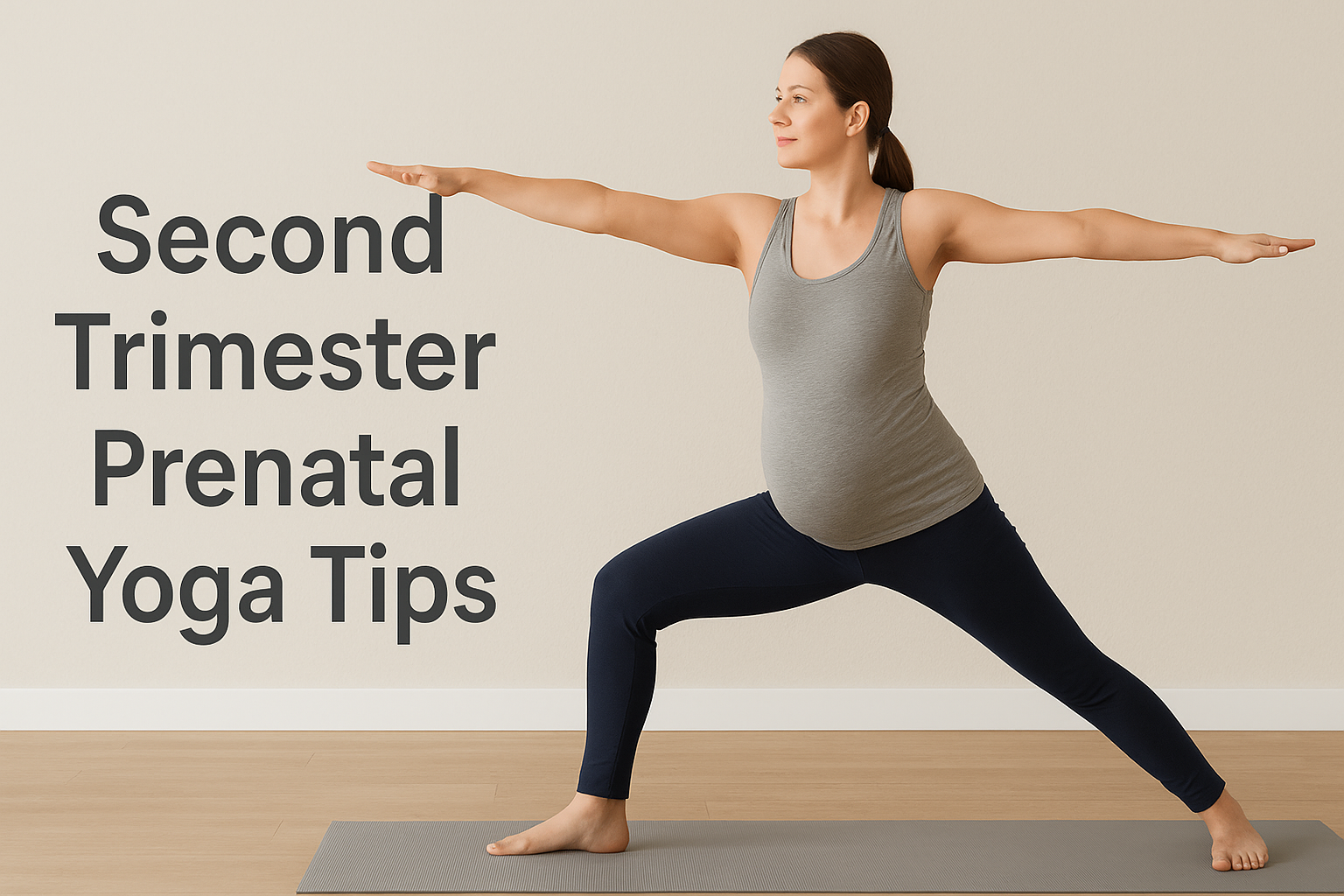
Another excellent option is the Side-Lying Pose, which provides support for the growing belly while allowing for deep relaxation. This position can also help alleviate pressure on the lower back, making it a favorite among expectant mothers. Additionally, poses such as Warrior II and Goddess Pose can help strengthen the legs and open the hips, preparing the body for labor.
These standing poses encourage stability and balance, which are crucial as the center of gravity shifts during pregnancy. It’s important to listen to your body and modify poses as needed, ensuring that each movement feels comfortable and supportive. By focusing on these safe and effective poses, pregnant women can enjoy the benefits of yoga while prioritizing their well-being.
Breathing Techniques for Labor and Delivery

Breathing techniques play a vital role in labor and delivery, helping to manage pain and promote relaxation. One effective method is deep abdominal breathing, which involves inhaling deeply through the nose, allowing the abdomen to expand fully, and then exhaling slowly through the mouth. This technique not only calms the mind but also provides oxygen to both mother and baby during contractions.
Practicing this breathing method during yoga sessions can help women become familiar with it before labor begins. Another valuable technique is the “Huff” breathing method, which involves taking a deep breath in and then exhaling forcefully through pursed lips, similar to blowing out a candle. This technique can be particularly useful during intense contractions, allowing women to release tension and focus on their breath.
Incorporating these breathing techniques into yoga practice can empower expectant mothers to feel more in control during labor, ultimately leading to a more positive birthing experience.
Tips for Practicing Yoga in the Third Trimester
Practicing yoga in the third trimester requires some adjustments to ensure safety and comfort. First and foremost, it’s crucial to listen to your body and honor its limits. If a pose feels uncomfortable or causes pain, it’s essential to modify or skip it altogether.
Using props such as blocks or bolsters can provide additional support and stability during practice. This approach allows expectant mothers to maintain their practice while accommodating their changing bodies. Additionally, finding a comfortable space to practice is key.
Whether at home or in a class setting, creating an environment that feels safe and inviting can enhance the overall experience. Consider using soft lighting, calming music, or even aromatherapy to promote relaxation. Staying hydrated is also important; drinking water before and after practice helps maintain energy levels and supports overall health.
By following these tips, pregnant women can enjoy a fulfilling yoga practice that nurtures both body and mind.
Connecting with Your Baby Through Yoga
| Metric | Details | Benefits | Precautions |
|---|---|---|---|
| Recommended Frequency | 3-4 times per week | Improves flexibility and reduces stress | Avoid overexertion and listen to your body |
| Session Duration | 30-45 minutes | Enhances relaxation and promotes better sleep | Do not hold breath during poses |
| Common Poses | Cat-Cow, Child’s Pose, Squats, Side-Lying Stretch | Relieves back pain and improves pelvic flexibility | Avoid deep twists and lying flat on back for long periods |
| Breathing Techniques | Deep belly breathing, Ujjayi breath | Reduces anxiety and improves oxygen flow | Practice under guidance to avoid hyperventilation |
| Contraindications | Preterm labor, high blood pressure, placenta previa | N/A | Consult healthcare provider before starting |
| Expected Outcomes | Reduced swelling, improved posture, easier labor | Better physical and mental preparation for childbirth | Stop immediately if dizziness or pain occurs |
Yoga offers a unique opportunity for expectant mothers to connect with their babies on a deeper level. Through mindful movement and breath awareness, women can cultivate a sense of presence that fosters bonding with their little ones. As they move through poses, they can visualize their baby’s growth and development, creating a powerful connection that transcends physical boundaries.
This practice encourages mothers to tune into their bodies and listen to their intuition, enhancing their ability to nurture their babies even before birth. Incorporating visualization techniques during yoga sessions can further strengthen this connection. For instance, imagining the baby moving within the womb or envisioning a peaceful birth experience can create a sense of calm and reassurance.
Additionally, dedicating moments of stillness during practice allows mothers to simply be present with their babies, fostering an emotional bond that will continue to grow throughout pregnancy and beyond.
Managing Discomfort and Pain with Yoga

As pregnancy progresses into the third trimester, many women experience discomfort and pain due to physical changes. Yoga provides effective tools for managing these sensations through gentle stretching and strengthening exercises. Poses such as Child’s Pose or Forward Fold can help relieve tension in the lower back and hips, while also promoting relaxation.
By focusing on breath and movement, expectant mothers can find relief from discomfort while cultivating a sense of ease within their bodies. Additionally, incorporating restorative poses into practice can be incredibly beneficial for managing pain. Poses like Supported Bridge or Legs-Up-the-Wall allow for deep relaxation while alleviating pressure on the lower back and legs.
These restorative practices encourage blood flow and reduce swelling, making them ideal for late pregnancy discomforts. By integrating these techniques into their yoga routine, women can effectively manage pain while nurturing their bodies during this transformative time.
Preparing for Labor and Delivery with Yoga
Yoga serves as an excellent preparation tool for labor and delivery by promoting physical strength, mental clarity, and emotional resilience. The practice encourages women to embrace their bodies’ capabilities while building confidence in their ability to give birth. Poses that strengthen the core and pelvic floor muscles are particularly beneficial in preparing for labor, as they support the body during contractions and delivery.
Moreover, yoga fosters a sense of mindfulness that can be invaluable during labor. By practicing meditation techniques alongside physical postures, expectant mothers can develop tools for staying present during intense moments of labor. This mental preparation allows women to approach childbirth with a sense of calmness and focus, ultimately leading to a more empowering experience.
Finding a Supportive Pregnancy Yoga Community
Connecting with a supportive pregnancy yoga community can enhance the overall experience of practicing yoga during this transformative time. Joining classes specifically designed for pregnant women provides an opportunity to meet others who share similar experiences and challenges. This sense of camaraderie fosters an environment of support where women can share their journeys, exchange tips, and celebrate milestones together.
Additionally, many communities offer online resources or virtual classes that allow expectant mothers to connect from the comfort of their homes. Engaging with others through forums or social media groups dedicated to pregnancy yoga can provide encouragement and motivation throughout the journey. By finding a supportive community, women can enhance their yoga practice while building lasting connections with fellow mothers-to-be.
In conclusion, practicing yoga during the third trimester of pregnancy offers numerous benefits that extend beyond physical fitness. From managing discomfort to preparing for labor, yoga serves as a holistic approach that nurtures both body and mind. By incorporating safe poses, breathing techniques, and connecting with supportive communities, expectant mothers can embrace this transformative time with confidence and grace.
As you approach the third trimester of pregnancy, incorporating yoga into your routine can be incredibly beneficial for both you and your baby. Not only does pregnancy yoga help alleviate common discomforts, but it also prepares your body for labor and delivery.
FAQs
What is pregnancy yoga in the third trimester?
Pregnancy yoga in the third trimester consists of gentle yoga poses, breathing exercises, and relaxation techniques specifically designed to support the body and mind during the final weeks of pregnancy. It helps prepare the body for labor and delivery while promoting comfort and reducing stress.
Is it safe to practice yoga during the third trimester?
Yes, pregnancy yoga is generally safe during the third trimester when practiced under the guidance of a qualified instructor who is experienced in prenatal yoga. It is important to avoid poses that involve lying flat on the back for extended periods, deep twists, or any movements that cause discomfort.
What are the benefits of practicing yoga in the third trimester?
Benefits include improved flexibility and strength, reduced back pain, better posture, enhanced relaxation, decreased anxiety, improved sleep, and preparation for labor through breathing and mindfulness techniques.
Are there specific yoga poses recommended for the third trimester?
Yes, poses such as Cat-Cow stretch, Child’s Pose, Warrior II, Squats, and supported lunges are commonly recommended. These poses help open the hips, strengthen the legs, and relieve tension in the back and pelvis.
Can pregnancy yoga help with labor and delivery?
Pregnancy yoga can help by teaching breathing techniques, improving stamina, and increasing pelvic flexibility, all of which may contribute to a smoother labor and delivery experience.
How often should I practice pregnancy yoga in the third trimester?
It is generally recommended to practice pregnancy yoga 2-4 times per week, but frequency can vary based on individual comfort and health. Always consult with a healthcare provider before starting or continuing any exercise routine.
Are there any precautions to take when doing yoga in the third trimester?
Yes, avoid poses that compress the abdomen, balance poses without support, or any movements that cause pain or dizziness. Stay hydrated, avoid overheating, and listen to your body’s signals. Always inform your instructor about your pregnancy stage and any complications.
Can I start pregnancy yoga in the third trimester if I haven’t done it before?
Yes, beginners can start pregnancy yoga in the third trimester, but it is important to choose a class tailored for prenatal yoga and to consult with a healthcare provider before beginning.
Do I need any special equipment for third trimester pregnancy yoga?
Basic equipment includes a yoga mat, comfortable clothing, and props such as blocks, bolsters, or cushions to support poses and ensure comfort and safety.
Should I consult my doctor before starting pregnancy yoga in the third trimester?
Yes, it is important to consult your healthcare provider before starting or continuing pregnancy yoga to ensure it is safe based on your individual health and pregnancy conditions.