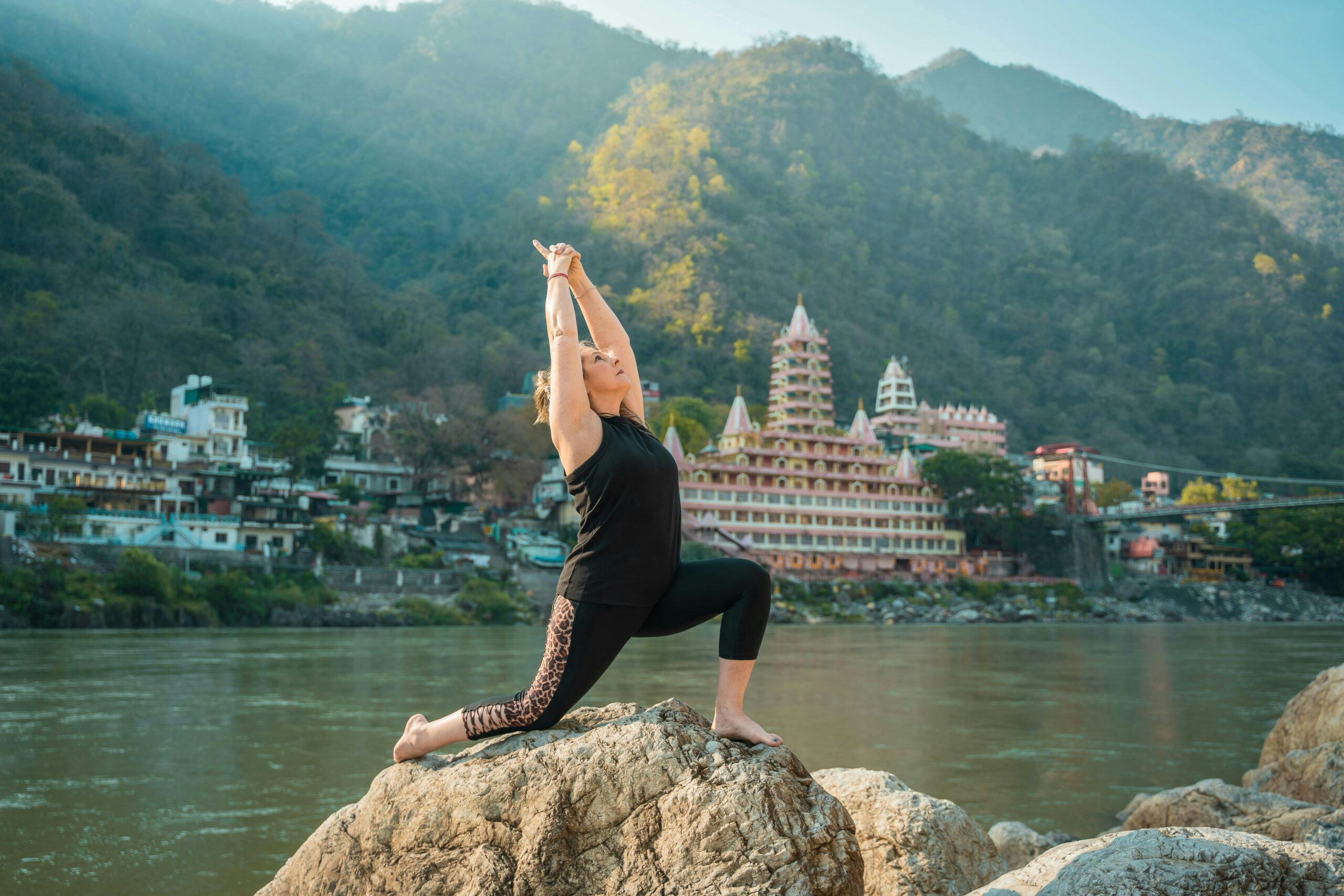
Thinking about becoming a yoga teacher? Rishikesh, India, is a place many consider for their training. It’s known globally as the “Yoga Capital of the World,” and for good reason. If you’re wondering what yoga teacher training in Rishikesh is like, here’s a breakdown of what you can expect.
Getting Started: Choosing Your Program
When you start looking into yoga teacher training (YTT) in Rishikesh, the most common options you’ll encounter are 200-hour, 300-hour, and 500-hour programs. The level of training you choose really depends on where you are with your yoga practice and your goals.
The 200-Hour Foundation
This is generally the entry-level certification and what most people start with. It’s designed for individuals who have a consistent yoga practice and want to deepen their understanding and learn how to teach.
- What it covers: A 200-hour program, often lasting between 24 to 28 days, will give you a solid understanding of foundational yoga principles. You’ll dive into various styles, learn about anatomy and physiology related to yoga, and develop teaching methodologies. Different schools will focus on a mix of Hatha, Vinyasa, and sometimes Ashtanga yoga.
- Who it’s for: If you’re new to teaching or have been practicing but haven’t formally trained to instruct, this is usually the starting point. It will equip you with the essential skills and knowledge to begin teaching beginner and intermediate classes. You’ll learn how to sequence poses, offer modifications for different bodies, and understand the philosophy behind yoga. Schools like Rishikesh Yogis Yogshala, Rishikesh Yog Temple, and Om Shanti Om Yoga Ashram offer these programs.
Stepping Up: 300-Hour Advanced Training
If you already have your 200-hour certification and are looking to expand your teaching expertise, a 300-hour program is the next logical step.
- Deeper dives: These advanced courses are more intensive. They build upon the knowledge gained in a 200-hour program, offering more nuanced instruction in various yoga styles. You can expect a more in-depth exploration of philosophy, advanced anatomy, and sophisticated teaching techniques.
- Preparing for 500-hour: Completing a 300-hour program, combined with your initial 200-hour training, will bring you to the 500-hour mark, which is often seen as a benchmark for experienced yoga teachers. Rishikesh Yogis Yogshala, for instance, has sessions scheduled for these advanced programs, with dates often listed well into the future, such as November 2026. This indicates a structured, long-term curriculum available.
Comprehensive Expertise: 500-Hour Programs
For those committed to a profound and comprehensive yoga education, a 500-hour program provides the most thorough training available.
- The full package: These programs are essentially an integration of a 200-hour course and a 300-hour course, or they might be structured as a single, extended curriculum. Rishikesh Yog Temple is one place where you can find these comprehensive 500-hour programs for individuals seeking the deepest level of expertise.
- What it means: Completing a 500-hour YTT signifies a high level of commitment and understanding. It prepares you to teach a wide range of students and offer advanced classes, and sometimes even to teach teacher training programs yourself.
If you’re considering embarking on a transformative journey through yoga teacher training in Rishikesh, India, you might find it beneficial to explore various aspects of online marketing for your future yoga business. A related article that delves into the differences between Google Ads and Facebook Ads can provide valuable insights into promoting your services effectively. You can read more about this topic by visiting this article. Understanding these advertising platforms can help you reach a broader audience and establish a successful career as a yoga instructor.
The Curriculum: What You’ll Actually Learn
Regardless of the hour designation, the core of any yoga teacher training program is the curriculum. This isn’t just about mastering poses; it’s about understanding the practice holistically and learning how to guide others.
Asana and Alignment
This is often the most visible part of YTT. You’ll spend a significant amount of time refining your understanding of physical postures.
- Beyond the pose: You’ll learn the proper alignment for each asana to ensure safety and effectiveness. This includes understanding the biomechanics involved, common misalignments, and how to guide students into the correct form. The focus is on both the individual pose and how it transitions into the next.
- Variations and modifications: A key skill taught is how to adapt poses for students with different abilities, injuries, or body types. This is crucial for making yoga accessible and safe for everyone.
Philosophy and Ethics
Yoga is more than just movement; it’s a philosophical system. Understanding its roots is an integral part of becoming a well-rounded teacher.
- The core texts: Programs often cover foundational yoga texts like the Yoga Sutras of Patanjali and the Bhagavad Gita. You’ll explore concepts like the Yamas and Niyamas (ethical guidelines) and the Eight Limbs of Yoga.
- Teacher’s role: You’ll discuss the ethical responsibilities of a yoga teacher, including professional conduct, boundaries, and creating a safe and inclusive space for students. This ethical framework is as important as teaching asana.
Anatomy and Physiology
A strong understanding of the human body is essential for teaching yoga safely and effectively.
- How the body works: You’ll learn about the muscular and skeletal systems, how they interact with yoga poses, and the principles of biomechanics and Kinesiology. This helps in understanding why certain alignments are important and how to prevent injuries.
- Subtler systems: Some programs also touch upon the energetic anatomy, including the chakras and nadis, and how they relate to yoga practice.
Teaching Methodology
This is where you learn the practical skills of instructing others.
- Sequencing: You’ll be taught how to thoughtfully plan and sequence a yoga class to create a cohesive and beneficial experience for students. This involves understanding the flow from warm-up to cool-down, building towards peak poses, and considering the energy of the class.
- Communication and correction: Learning how to use clear, concise verbal cues, offer effective hands-on adjustments (where appropriate and with consent), and provide constructive feedback are all part of this.
Pranayama and Meditation
Breathwork and meditation are core components of yoga that go beyond the physical postures.
- Breath control: You’ll learn various pranayama techniques, understand their physiological and energetic effects, and how to teach them to students. Some schools might even include free access to pre-recorded Pranayama courses as part of their enrollment package, which is a nice extra.
- Mindfulness and stillness: Meditation practices are usually integrated, teaching you how to guide yourself and others in cultivating mindfulness and inner peace.
The Rishikesh Experience: More Than Just Training
Choosing Rishikesh for your YTT comes with its own unique set of advantages, rooted in its spiritual and natural setting.
The “Yoga Capital” Advantage
This isn’t just a marketing slogan; Rishikesh has a long history and deep association with yoga and meditation.
- Spiritual atmosphere: The city is dotted with ashrams, temples, and yoga schools. The presence of the sacred Ganges River and the serene backdrop of the Himalayas create an environment conducive to introspection and spiritual practice.
- Vibrant community: You’ll be learning alongside people from all over the world who share your passion. This creates a unique sense of camaraderie and shared experience.
Location, Location, Location
The physical environment plays a significant role in the overall experience of training.
- Peaceful surroundings: Many schools are located in tranquil areas, some offering views of the Ganges or nestled amidst greenery. This allows for a break from the usual hustle and bustle of everyday life, facilitating deeper immersion in the training.
- Natural beauty: The proximity to the Himalayan foothills offers opportunities for exploration and connection with nature, which can be very grounding and inspiring.
Practical Considerations for Your Training
While the spiritual and educational aspects are paramount, practicalities are also important to consider when planning your YTT in Rishikesh.
Timing Your Training
Knowing when to go and how long programs last is key to planning your trip and studies.
- Program durations: As mentioned, 200-hour programs typically run for 3-4 weeks. Longer programs extend this period.
- Start dates: Many schools have frequent start dates, often on the 1st of every month. Rishikesh Yog Temple, for instance, opens bookings for multiple months ahead, through to December 2025. This flexibility allows you to choose a time that best suits your schedule. If you’re looking at advanced training, check the specific schedules, as those might be less frequent, such as the November 2026 dates mentioned for Rishikesh Yogis Yogshala.
What to Expect to Pay
Costs can vary significantly depending on the school, the program length, and what’s included.
- Program fees: The tuition fee will be the main expense. This usually covers your instruction, course materials, and sometimes accommodation and meals.
- Included extras: Some schools include additional benefits, like the pre-recorded Pranayama courses mentioned earlier. Always check what’s explicitly included in the package to avoid surprises. You’ll also need to budget for flights, visa costs, local transport, personal expenses, and potentially any optional excursions.
Accommodation and Food
Most YTT programs in Rishikesh offer packages that include accommodation and meals.
- On-site living: Many schools provide dorm-style or private rooms on their premises, allowing for complete immersion in the training environment. This is convenient and often cost-effective as it’s bundled with the course fees.
- Simple, nourishing meals: Food provided is typically vegetarian and sattvic (pure, wholesome) to support a yogic lifestyle. This allows you to focus on your studies without worrying about daily meal preparation.
If you are considering embarking on a transformative journey through yoga teacher training in Rishikesh, you might find it beneficial to explore various resources that can enhance your experience. One such resource discusses effective strategies for improving communication and engagement, which can be particularly useful for aspiring yoga instructors. You can read more about these strategies in this insightful article on email marketing hacks that boost open and click rates. This knowledge can help you connect better with your future students and build a thriving yoga community.
Making the Decision: Is Rishikesh Right for You?
Rishikesh offers a powerful setting for yoga teacher training. It’s a place where you can immerse yourself in a tradition that spans millennia, surrounded by an environment that encourages introspection and growth.
Weighing the Pros
- Deep immersion: The sheer concentration of yoga culture in Rishikesh creates an unparalleled environment for learning and personal development.
- Affordability: Compared to many Western countries, yoga teacher training in Rishikesh can be more budget-friendly, especially when you factor in the cost of living.
- Credibility: The presence of numerous Yoga Alliance-certified schools means you can receive a globally recognized certification.
What to Consider
- Cultural differences: While India is welcoming, adjusting to a different culture, pace of life, and infrastructure can be a significant change.
- Potential for distraction: Rishikesh is a popular tourist destination, and while many schools are in quieter areas, the city itself can be lively. It’s important to choose a school that offers the focused environment you seek.
- Your personal practice: Ensure your current yoga practice is at a level where you feel ready to undertake intensive training. While beginner programs are designed for those new to teaching, a solid personal practice is foundational.
Ultimately, choosing Rishikesh for your yoga teacher training is a significant decision that can offer a profoundly enriching experience. It combines the opportunity for deep learning with the chance to connect with a place that is undeniably the heart of yoga for many worldwide.
FAQs
What is yoga teacher training?
Yoga teacher training is a program designed to deepen your understanding of yoga, its philosophy, and its practice. It prepares individuals to become certified yoga instructors.
Why choose India for yoga teacher training?
India is considered the birthplace of yoga and offers a rich cultural and spiritual environment for yoga teacher training. Rishikesh, in particular, is known as the “Yoga Capital of the World” and attracts students from all over the globe.
What can I expect from a yoga teacher training in Rishikesh, India?
A yoga teacher training in Rishikesh typically includes intensive yoga practice, meditation, pranayama, philosophy, anatomy, and teaching methodology. Students can also expect to immerse themselves in the local culture and traditions.
How long does a yoga teacher training program in Rishikesh, India last?
Most yoga teacher training programs in Rishikesh, India last for 200 hours and are typically completed over the course of 4-6 weeks. There are also more intensive 300-hour and 500-hour programs available for those seeking advanced training.
What are the requirements for enrolling in a yoga teacher training program in Rishikesh, India?
While requirements may vary by program, most yoga teacher training programs in Rishikesh, India require a minimum of 6 months to 1 year of regular yoga practice, a sincere interest in learning and teaching yoga, and a basic understanding of yoga philosophy and postures.