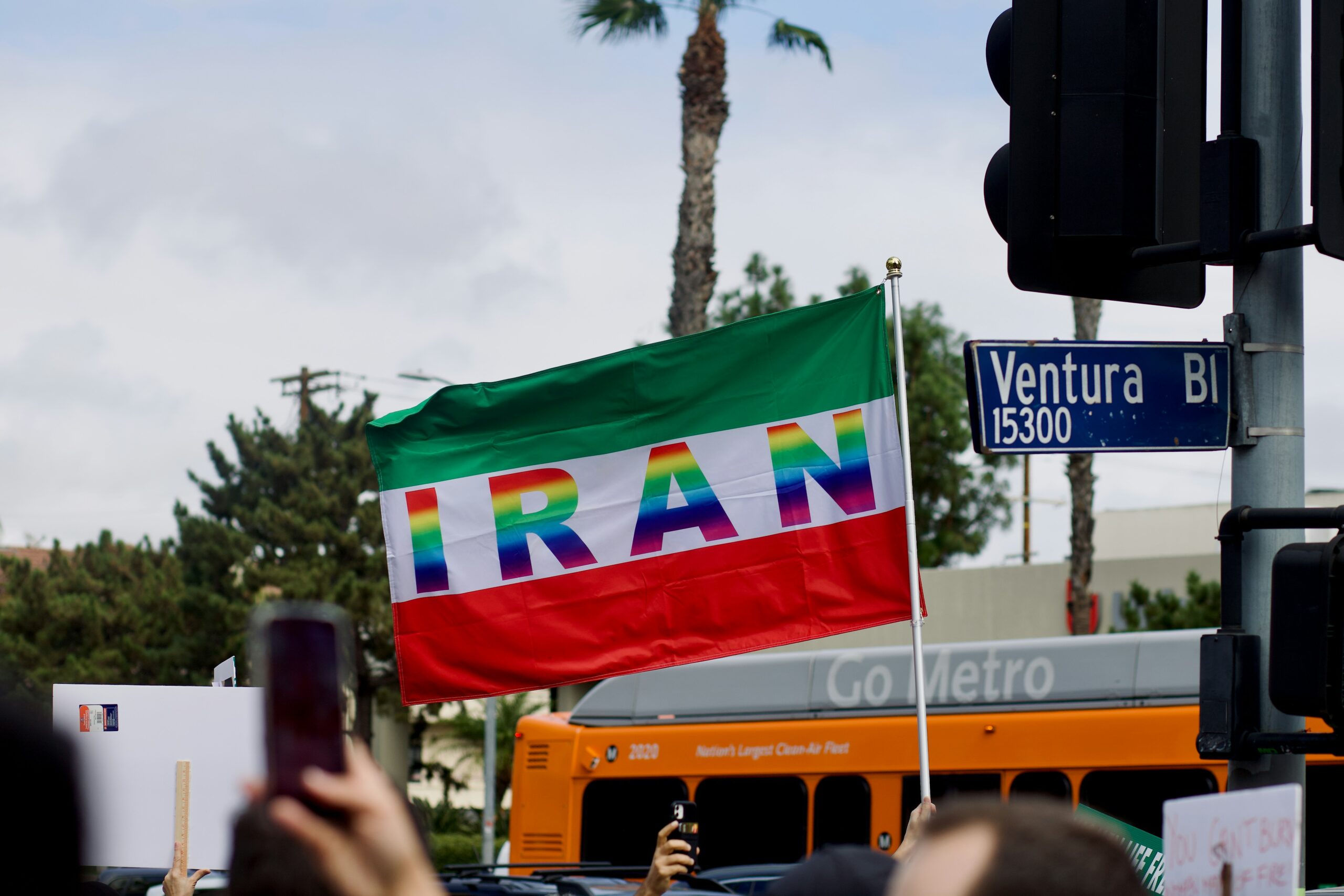
Escalation in the Middle East
Recent events underscore a deepening crisis in the Middle East, with direct confrontations between the US, Israel, and Iran marking a significant shift in regional dynamics. The current situation involves military engagements, leadership changes in Tehran, and threats to international shipping lanes.
US Air Disaster in Iraq
A US aerial refueling tanker crashed in western Iraq. The incident occurred during ongoing operations in the region. Initial reports suggested six fatalities, but subsequent information confirmed four deaths. Rescue operations are in progress for the remaining personnel. The context of this crash is operations against Iranian targets, highlighting the risks involved in current military deployments.
In the wake of escalating tensions in the region, a recent article highlights the tragic incident involving a jet crash over Iraq, which resulted in the confirmation of six fatalities by the US. This incident adds to the ongoing conflict, as Tehran has been under scrutiny for its military actions. For more insights on related topics, you can read about essential core strength exercises for beginners in this article: 5 Core Strength Exercises for Beginners.
Tehran Under Attack
The Iranian capital, Tehran, experienced significant explosions. These blasts occurred near an Al-Quds Day rally. Reports attribute these attacks to a US-Israeli airstrike. One civilian fatality, a woman, has been confirmed due to shrapnel. This marks a direct targeting of Iranian urban centers, escalating the conflict beyond proxy engagements.
Regional Defenses and Interceptions
The heightened tensions have prompted increased defense activities across the region.
Saudi Arabia’s Air Defense
Saudi Arabia’s air defense systems intercepted 56 Iranian drones. One of these drones was downed near the capital, Riyadh. This incident illustrates the range and frequency of Iranian drone operations and the defensive measures taken by neighboring states.
NATO’s Role in Missile Defense
NATO forces intercepted an Iranian missile. This missile was reportedly aimed at Turkey. The interception demonstrates a broader, international involvement in managing the security threats emanating from the ongoing conflict.
Iran’s New Leadership and Retaliatory Stance
The landscape of Iranian leadership has shifted, bringing with it a more assertive and confrontational rhetoric.
Mojtaba Khamenei’s Inaugural Statement
Ayatollah Mojtaba Khamenei has assumed the role of Iran’s Supreme Leader following the assassination of his father, Ali Khamenei. In his first public statement, Khamenei articulated a clear strategy. He pledged to blockade the Strait of Hormuz, attack US bases in the region, and target Gulf allies. These declarations signal a direct challenge to international maritime security and a commitment to direct military engagement against US interests and regional partners.
Implications for Maritime Trade
The threat to the Strait of Hormuz is particularly significant. This waterway is a critical chokepoint for global oil shipments. Any disruption could have substantial economic ramifications globally.
In the ongoing conflict involving Iran, recent developments have escalated tensions as the US confirmed that six individuals were killed in a jet crash over Iraq, while Tehran faced accusations of launching attacks in the region. For further insights into the broader implications of such military actions, you can read a related article that discusses the evolving landscape of global conflicts and their impact on international relations. This article highlights the importance of understanding current events in the context of future trends, which can be found here.
Israeli Military Operations
Israel has intensified its military actions against Iranian infrastructure, signaling a continued commitment to its stated objectives.
Extensive Strikes on Iranian Infrastructure
Israel launched a new wave of extensive strikes against Iranian infrastructure. The targets and specific nature of these strikes were not immediately detailed, but their designation as “extensive” indicates a significant operation.
Netanyahu’s Threats
Prime Minister Benjamin Netanyahu affirmed Israel’s intent to continue bombardment of Iran and Lebanon. He also directly threatened Ayatollah Khamenei. This rhetoric underscores a policy of sustained military pressure and a willingness to confront Iranian leadership directly.
Economic and Humanitarian Impacts
The conflict’s repercussions extend beyond military engagements, affecting economic stability and humanitarian conditions.
Oil Price Volatility
Iran’s actions against tankers and oil facilities have had a direct impact on global energy markets.
Tanker Attacks and Price Spikes
Iran attacked various tankers, including a Thai-flagged vessel. These attacks, coupled with damage to other facilities, have driven oil prices above $100 per barrel. Such price escalations impact global economies, as crude oil is a fundamental commodity.
US Countermeasures and Naval Impact
In response, the US has engaged in countermeasures, destroying over 16 Iranian minelayers. These actions have reportedly rendered the Iranian navy ineffective in various operational areas.
Humanitarian Crisis
The conflict has resulted in a significant humanitarian situation within Iran.
Displacement Figures
Approximately 3.2 million people have been displaced within Iran. This figure indicates the broad impact of the conflict on civilian populations, forcing mass movements and exacerbating existing humanitarian challenges.
Broader Developments and US Posture
The international community, particularly the US, has reacted to the escalating situation with military and political statements.
US Secretary of Defense’s Announcement
US Secretary of Defense Hegseth announced the heaviest strikes yet on March 13. This statement from a high-ranking US official indicates a significant escalation in US military involvement and the scale of its operations against Iranian targets.
Trump’s Assessment of Iran’s Military
Former President Trump claimed that Iran’s military is nearly destroyed. This assessment, while from a former leader, provides a perspective on the perceived effectiveness of US and allied military actions against Iran’s capabilities. Such statements, whether accurate or not, shape public perception and geopolitical narratives.
The current situation in the Middle East is characterized by direct conflict, significant military operations, and explicit threats between key regional and international actors. The leadership change in Iran, coupled with ongoing strikes and economic disruptions, suggests a period of sustained instability and potential for further escalation. The humanitarian toll and global economic implications remain significant concerns.
FAQs
What is the current situation in Iran and the US?
The current situation involves a US jet crashing over Iraq, resulting in 6 confirmed deaths, and an attack on Tehran by the US.
What caused the US jet to crash over Iraq?
The cause of the US jet crash over Iraq is currently under investigation and has not been confirmed.
How many casualties were there in the US jet crash?
There were 6 confirmed deaths in the US jet crash over Iraq.
What was the nature of the attack on Tehran by the US?
The nature of the attack on Tehran by the US has not been specified in the article.
What are the potential implications of these events on the Iran-US relations?
The potential implications of these events on Iran-US relations are uncertain and may depend on further developments and responses from both parties.